Harem Fast-Track
A Palace Within the Palace
The word "harem" comes from the Arabic harām, meaning "forbidden" or "sacred." In Ottoman palace architecture, the Harem was the private living area reserved exclusively for the Sultan's family and the women and servants who attended them. No outsider was permitted to enter without the Sultan's express invitation.
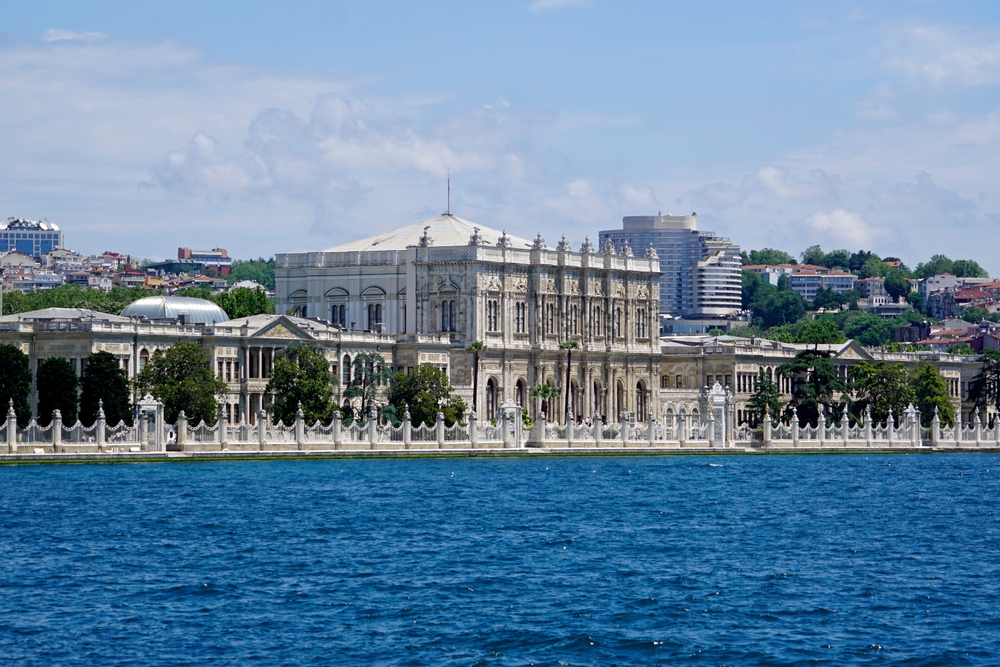
At Dolmabahçe Palace, the Harem occupies the entire northern wing of the building — a self-contained world of luxurious apartments, intimate gathering rooms, private baths, and service areas. Unlike the Topkapı Harem, which grew organically over centuries into a labyrinth of rooms, the Dolmabahçe Harem was designed from scratch as a coherent architectural unit. It is orderly, symmetrical, and flooded with natural light from the Bosphorus-facing windows.
Layout and Organization
The Harem is organized into eight distinct apartment suites, each designed for a specific member of the imperial family:
1. Valide Sultan Apartments
The Valide Sultan (Queen Mother) held the highest rank among the women of the palace and, by tradition, wielded enormous influence in Ottoman court politics. Her apartments at Dolmabahçe are the most lavish in the Harem section:
- A large reception room with gilded ceilings and Hereke carpets
- A private bedroom with views over the Harem Garden and the Bosphorus
- A private hamam (bath) clad in Egyptian alabaster
- A dressing room and sitting area
The Valide Sultan's apartments are decorated in gold, cream, and pale blue — a color palette that reflects her status as the most powerful woman in the empire.
2. Sultan's Private Chambers
The Sultan's personal rooms in the Harem were far more modest than the grand state rooms of the Selamlık. This was by design: the Harem was for rest and privacy, not ceremony. The Sultan's suite includes:
- A bedroom with a relatively simple bed (compared to the ornate furniture elsewhere)
- A private study for reading and correspondence
- A small sitting room for intimate family gatherings
- A private hamam with heated marble surfaces
3. The Blue Hall (Mavi Salon)
The central gathering space of the Harem, the Blue Hall served as the family's main living room. Here the Valide Sultan, the Sultan's consorts, and the princes and princesses would gather for meals, music, and conversation. The room takes its name from its predominantly blue decorative scheme — blue silk curtains, blue-toned Hereke carpets, and blue-painted ceiling panels.
4. Consorts' Apartments
Several separate suites were allocated to the Sultan's wives and favorites (kadınefendi). Each suite included a bedroom, a sitting room, and a small service area. The apartments were arranged so that each consort had privacy while remaining within the Harem's shared spaces.
5. Princes' and Princesses' Wings
The royal children had their own dedicated quarters, with separate wings for princes (şehzade) and princesses (sultan, in the Ottoman meaning of "princess"). These rooms were simpler than the adults' apartments but still luxurious by any standard.
Room 71: Atatürk's Final Room
The most emotionally significant room in the entire Harem — and perhaps the entire palace — is Room 71, where Mustafa Kemal Atatürk spent his final days and died on the morning of November 10, 1938.
The Room
Room 71 is a relatively modest bedroom by palace standards. It contains:
- A single bed, now draped with the Turkish flag
- A writing desk where Atatürk worked during his final months
- Personal belongings preserved exactly as they were in 1938
- A clock stopped at 09:05 — the moment of his death
The Stopped Clocks
The most haunting detail of the Dolmabahçe Harem is the stopped clocks. When Atatürk died at 09:05 on that November morning, every clock in the palace was stopped at that time. This was not originally planned as a permanent memorial — it happened spontaneously in the grief of the moment. But the tradition has been maintained for over 85 years, and the clocks throughout the palace remain set to 09:05.
November 10 Commemorations
Every year on November 10, Dolmabahçe Palace becomes a site of national mourning. At 09:05, sirens sound across Istanbul and all of Turkey observes a moment of silence. Hundreds of thousands of visitors file through Room 71 to pay their respects. The bed, the flag, the clock — these simple objects carry enormous emotional weight for Turkish citizens.
Daily Life in the Harem
The Residents
At its height, the Dolmabahçe Harem housed:
- The Valide Sultan and her attendants
- The Sultan's primary consort (baş kadınefendi)
- Additional consorts (kadınefendi), sometimes three or four
- Princes and princesses
- Kalfas (senior female servants) and cariyes (junior servants)
- Eunuch guards who controlled access
Daily Routine
Life in the Harem followed a structured routine:
- Morning prayers at dawn
- Breakfast served in individual apartments or the Blue Hall
- Education — Princes received tutoring in languages, statecraft, and military arts; princesses studied music, languages, and etiquette
- Music and arts — The Harem had its own piano, and musical performances were a regular feature
- Afternoon rest — The palace fell quiet during midday hours
- Evening meal — The main gathering of the day, often in the Blue Hall
- Bosphorus walks — In the private Harem Garden, shielded from outside view
Modern Comforts
The Dolmabahçe Harem was far more comfortable than its Topkapı predecessor:
- Central heating kept rooms warm during Istanbul's damp winters
- Hot and cold running water in every apartment
- Gas lighting (later electricity) allowed evening activities
- European furniture — Beds, armchairs, and desks replaced the traditional Ottoman floor-level seating
- Pianos — Several European pianos were placed throughout the Harem
Dolmabahçe Harem vs. Topkapı Harem
| Feature | Dolmabahçe Harem | Topkapı Harem |
|---|---|---|
| Built | 1843–1856 | 15th–17th century |
| Design | Planned as unified wing | Grew organically over centuries |
| Style | European-Ottoman hybrid | Classical Ottoman |
| Layout | Orderly, symmetrical | Labyrinthine |
| Natural light | Abundant (Bosphorus windows) | Often dim (interior courtyards) |
| Furniture | European beds, chairs, desks | Ottoman floor cushions and divans |
| Heating | Central heating | Braziers and fireplaces |
| Residents | Imperial family only | Family + large staff + school |
Visiting the Harem
Practical Information
- Ticket: Combined ticket (₺1,800) or Harem-only (₺400)
- Duration: 45–60 minutes
- Route: Self-guided path through designated rooms
- Photography: Allowed in most areas (no flash)
- Best time: Early morning for fewest crowds
Highlights Not to Miss
- Room 71 — Atatürk's room with the stopped clock
- Valide Sultan Apartments — The most ornate private rooms
- Blue Hall — The intimate family gathering space
- Harem hamam — Egyptian alabaster bath
- Bosphorus views — From the Harem windows and garden